I started the Art of Manliness Podcast back in 2009, took a break from it starting in 2010, and brought it back in 2013 due to popular demand. What started out as a sideshow to the main site has quickly become one of the most popular features at Art of Manliness. I've steadily worked to improve both my interviewing skills and the sound quality of the show and the podcast now consistently ranks in the top 100 on iTunes and has had 30 million+ downloads since its inception.
The podcast is not only an increasingly central part of AoM, but it's also by far my favorite part to work on. Over the years, I've had the chance to talk to hundreds of writers, scholars, and experts from a wide variety of fields and walks of life. The goal of the podcast is the same as the website: to provide information to help men live a well-rounded and flourishing life. Episodes explore how to live a life of both contemplation and action, while having some fun along the way. The show topics cover everything from history and philosophy, to social/professional skills, to parenting, to self-defense and physical training, to pop culture and literature.
While I've enjoyed talking to all my guests, some interviews have had a lasting impact on me. Below I highlight my personal favorites so far this year. They're not in any particular order. If you haven't listened to the podcast yet, the episodes below will give you a good idea of what you've been missing out on. Listen to a few (or all) of them and then subscribe using your podcast player of choice. I'd love to have you join in on my conversations with some really interesting folks.
And if you've been listening to the podcast for awhile now, I'd appreciate it if you could give us a review on iTunes or whatever podcast platform you use. It's a fantastic way to support the show and help other people discover it.
Have you ever spent an entire day at work feeling really busy, clearing out your emails (and sometimes looking at Facebook) — and yet at the end of it you realize you weren't very productive at all? And when you resolve to do better the next day and dig into deeper work, you find that you can't focus. You still have an overpowering itch to check your email or scroll through your Instagram feed.
If that sounds familiar, my interview with Cal Newport is for you. I talk to Cal about his book Deep Work and why the most valuable skill you can develop in today's digital economy is the ability to concentrate for long periods of time on hard tasks. We also discuss practical tips you can use to re-train your fragmented attention span.
I've been following Ramit's work since he was primarily a personal finance writer and it's been interesting to see how his approach to business and life has changed in the past ten years. He's really delved deep into the growing field of behavioral science in order to help individuals be more successful in their work and personal life. In my interview with Ramit, we discuss the hidden scripts in our mind that keep us from following through on our goals, how to become a self-starter, and why even traditional employees need to think of themselves as entrepreneurs. This episode is jam-packed with actionable advice that you can use immediately.
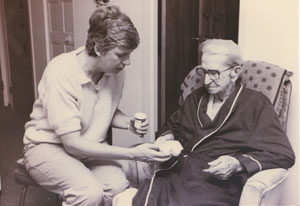
You and everyone you love will die. But because death is cordoned off from our lives in the West, most of us have no idea what it's like to watch someone pass on. In my interview with hospice nurse Barbara Karnes, we get into the nitty gritty of the dying process so you can know what to expect when you or a loved one arrives at death's door. We also discuss the spiritual and psychological aspects of death for both the person who's dying and the person (or people) watching over them. While I'm still frightened of dying or watching a loved one die, I'm a little less scared thanks to my conversation with Barbara.
Have you ever had those moments when life just feels flat? Even if on the surface your life seems awesome, something inside you aches and longs for a more meaningful existence. In Self and Soul, Mark Edmundson diagnoses the spiritual malaise many modern Westerners feel. In my conversation with Mark, we discuss the world of ideals and the insights we can get on living a more soulful life from Achilles, Plato, and Jesus. There's not a day that goes by that some thought or idea Mark shared in his book and our conversation doesn't pop into my head. He forces you to ask "Am I really living for something bigger than myself? If not, how can I change that?" I'm hoping to have Mark on the podcast later this year to discuss another of his great books: Why Football Matters.
There's a lot of books out there about men's style, but none of them are as engaging, useful, and witty as Russell Smith's Men's Style: A Thinking Man's Guide to Dress. In my conversation with Russell, we discuss the philosophy of men's style, the history of men's clothing, why — contrary to popular belief — the great men of history were concerned about how they look, and why we should care today. We also get into practical tips on buying suits, shirts, shoes, etc.
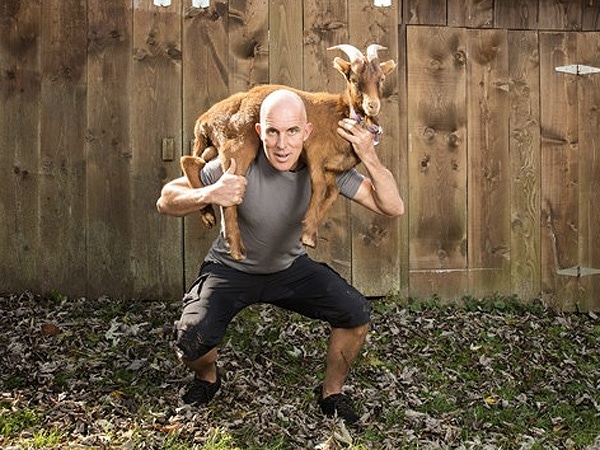
I'm a barbell guy, but I get the appeal of bodyweight training. It's free and you can do it anywhere. The problem I've had with bodyweight training is programming. How do you progressively make it harder so you can get stronger? In my interview with bodyweight training expert Anthony Arvanitakis, we get into the details of how to program for bodyweight training. But what really makes this podcast one of my favorites is Anthony's story of how he discovered bodyweight training after deciding to amputate his wounded leg after years of fruitless rehabilitation. If a guy with one leg can shape and strengthen his body, what's your excuse?
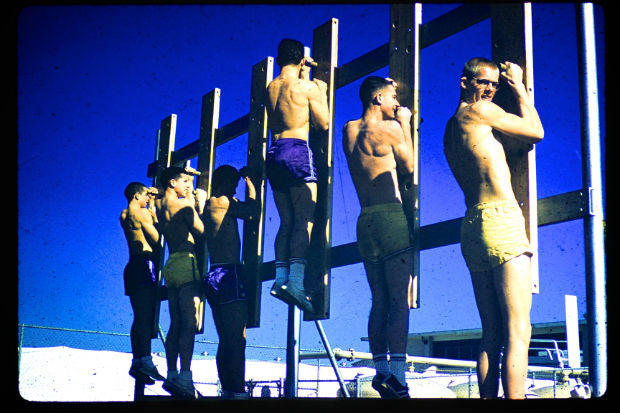
PE is a blow-off class today in most high schools. You might do a few stretches or play some basketball, but during the 1960s, high schools across America used a physical education program that was designed to create strong, athletic young people who'd go on to be strong and useful citizens with character.
In short, it was a man-maker.
Doug Orchard and Ron Jones are making a documentary about the history of this PE program that sprung out of La Sierra High School. In this podcast we discuss how the coach there inspired JFK to make physical fitness a renewed priority in America's schools and the classical origins of the La Sierra Method. A fascinating look at a forgotten part of American education history.
I'm a big classics guy. I love Homer and Aristotle and Plutarch. But unless you went to college to study Classics, you probably didn't get to read these thinkers with much depth. But it's not too late to start!
In A Well-Educated Mindprofessor Susan Bauer shows how you can acquire a classical education, even if your college days are years behind you. In my interview with Susan, we discuss what a classical education is, its benefits, and how you can create a classical education curriculum for yourself even if you have a busy schedule.
Natural Born Heroesis an extremely entertaining and informative book that combines WWII and ancient Greek history with cutting edge research on human performance. In my interview with the author of the book, Chris McDougall, I find out how a group of rag-tag WWII British special operatives harnessed the ethos and health practices of ancient Greek soldiers in order to capture a Nazi general. Chris also shares how the latest research is confirming what the ancient Greeks knew about creating heroes and how you can become a modern day Odysseus.
We all want to be more productive. We want to do more in less time so we can spend more time doing the things we actually want to do. But we usually falter.
In Smarter, Faster, BetterNYT writer Charles Duhigg takes readers on a whirlwind tour of the research that's coming out on how to be more productive in work and in life. I talk to Charles about research-backed tips on self-motivation, even for the most mundane (but necessary) of tasks. His advice about how to get through a slog of emails makes this episode worth listening to alone. We also discuss the perils and dangers of goals and to-do lists and how you can organize your time so you actually get the important stuff done. This episode has a ton of actionable points that you can implement today to start improving your productivity.
You've probably heard of the "Most Interesting Man in the World." He's the popular Dos Equis brand-spokesman who's lived a life of adventure, has great stories to tell, and feels comfortable rubbing shoulders with the common and rich alike.
Of course he's a fictional character made up by clever ad executives.
But back in the late 19th century there was a real-life guy who would put "The Most Interesting Man in the World" to shame. In his own time, he was known the world round, yet hardly anyone has heard of him today.
His name is Frederick Russell Burnham and writer Steve Kemper has written the definitive biography on this man. Steve and I discuss the adventures and world-wide exploits of the military scout, prospector, and real-life inspiration for the Boy Scouts, as well as what men today can learn from this "splendid savage."
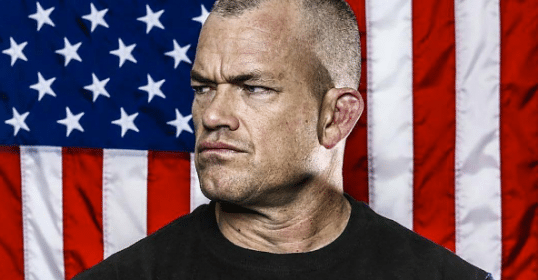
If you're looking to become a better leader at work or at home, listen to my podcast with retired Navy SEAL Jocko Willink. He's the co-author of one the best books I've read on leadership called Extreme Ownership: How the Navy SEALs Lead and Win. On the show Jocko and I discuss what it means to have an "extreme ownership" mentality as a leader, how to lead in times of uncertainty, and why discipline equals freedom. This episode will kick you in the pants.
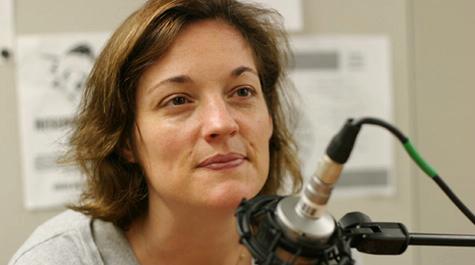
Some days are just better than others. But what if I told you there are some research-backed ways to ensure that the good days outnumber the bad ones? In How to Have a Good Day, management expert Caroline Webb highlights the latest research from behavioral psychology on how to have a good day from the moment you wake up until you hit the hay. In my interview with Caroline, we discuss why having a good day doesn't mean everything will go smoothly and what you can do to ensure those wrinkles don't disrupt you too much. My favorite advice was on how to handle difficult people and how to say no without sounding like a jerk. Caroline and I cover so much ground in this podcast that you're bound to find something useful in it.
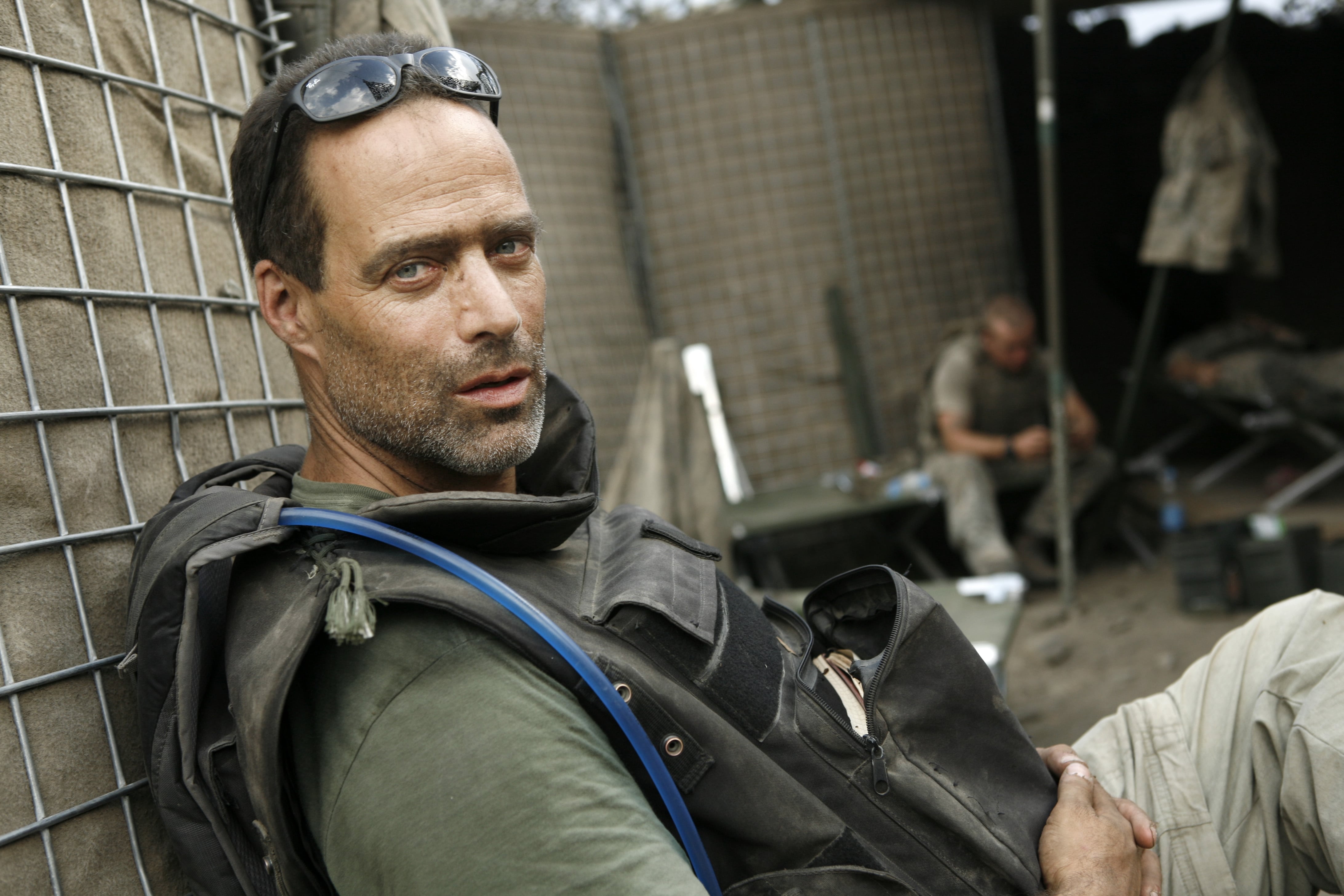
I've long been a fan of Sebastian Junger's work after reading his book Warand watching his war documentary Restrepo. In Tribe, Junger goes in-depth on a topic he's been mentally chewing on since college: why are people who are pursuing the hyper-individualism praised by modern Western culture so dang miserable?
Using insights from anthropology and his own experience being embedded in a U.S. Army platoon in the Korengal Valley, Junger argues that human beings are wired for tribalism and we're just not getting it in today's modern world. In my discussion with Junger, we discuss the competing drives in humans — tribalism and individualism — and why emphasizing the latter at the expense of the former is a recipe for psychological and spiritual malaise. We also talk about how men bond and why times of war and disaster see a decrease in psychological issues. This conversation gets at a lot of what we've written on the importance of community, especially for men.
By A Manly Guest Contributor on Aug 05, 2016 12:26 pm
Editor's note: This is a guest post from Jordan Zammit.
Tell someone that you've dabbled in online dating and they might give you a look like they're thinking about which letter of the alphabet would be most appropriate to give you in scarlet. But really, with the dawn of dating websites, Tinder, and the endless cycle of clones that come out almost daily, meeting someone from the internet is as common as meeting a stranger at a bar — at least for Generation Y.
So for those of us single folks who haven't yet made the jump into this new internet trend (or have just dipped our toes in), here are a few ways you can give online dating a try while staying a gentleman.
1. Don't Misrepresent Yourself
So maybe you were a football or track star in high school and now you're a few years removed and about twenty pounds heavier — leave those varsity pictures where they belong (in a shoebox!), and upload something more recent. While meeting people and dating shouldn't be all about vanity, you don't want someone's first thought upon meeting you to be, "Whoa, he looks nothing like his pictures."
Not only is it insanely distracting, but it's starting the potential relationship with dishonesty rather than trust. This also goes for exaggerating, or outright lying, when it comes to your job, education, or anything you find yourself tempted to say to get a meeting in person. I guarantee if they find out you tricked them, they will assume everything you've said was a lie.
And this isn't to say that if you're overweight, don't bother. Dating sites have huge audiences, so you'll find every stripe and color of person you could possibly imagine, and by misrepresenting yourself, you could be missing out on the people who like you for who you actually are. But on that note, not everyone on the other end will be honest with themselves, so…
2. Temper Your Own Expectations
While getting catfished, or tricked into falling for people who lie about everything (right down to using someone else's pictures), seems to be the common assumption about meeting someone from the internet, it's really not that common. It does happen though. This is why you should try to use the internet as a means of meeting people, and use subsequent in-person dates to get to know them. You aren't meeting someone with the intent of going ring shopping if things go well.
While dating sites have plenty of attractive and very successful people, not everyone will look exactly like their pictures. While I'm not saying you should be expecting a man in a wig to show up, you should kind of automatically assume that their pictures were old or edited, or at the least, something that shows their very best light. Not that that's always the case, but just keep in mind that you can never truly know someone you haven't talked to in the flesh.
3. Take the Lead in Conversation
Maybe you had an incredible conversation online with someone whom you decide to meet, and then they barely say a word. Meeting a stranger is always awkward, and online dating, especially, lends itself to folks who are shy in social situations. So you would probably be doing yourself a favor if you just lead the conversation (if you don't know how, study this tutorial), or simply just deal with the awkward first date and see if either one of you would like a much less awkward second date; remember that it often takes 3 encounters to really know if you click with someone.
4. Accept Rejection
Does this seem like common sense? Because I have never been more embarrassed on a date than when I hear horror stories from the woman about other men she's met online. And really, most of it comes about as a result of rejection. While the theory behind matching someone is that you are both mutually interested in each other, that does not mean you are halfway to dating. If a girl says "No" when you ask them on a date, take it in stride, and then move on.
Sadly, this isn't what many men do. You can find an endless supply of screenshots online from women who were having a normal conversation with a guy, and when she says she's not interested, he suddenly drops about every dirty word you can call a woman in the next message.
This tip also applies when someone flat out doesn't respond. If you try to start a conversation and get nothing in return, don't leave twenty more messages or take it personally. Maybe they don't check it that often, deleted the app from their phone, or just aren't interested. That's life. Just be thankful it happened with a stranger from the internet rather than someone you approached at the bar.
The problem is that talking to people digitally really dehumanizes them. We lose track that it's a person on the other end just like us, and we say things we would never say in person, bad or not, and so we throw out the common unwritten rules of socializing. This is also why it's better to meet people as soon as both of you are comfortable, so you can put a human to the picture.
5. Stay on the Date, At Least for a Little While
When you finally do meet in person, it's important to be as polite as possible, even if they look nothing like the image you had in your head. I've literally shown up on a date and only found out when I got there that the person was weeks away from giving birth. I didn't leave or sneak off "to the bathroom," but I stayed and had about an hour-long conversation, not because I'm a saint, but because I could not imagine someone telling me to meet them and then just never showing up. Most importantly, you can never be worse off for simply knowing someone. Even if the date is terrible, you are meeting someone who you probably would never have met, and your life is that much richer.
6. Try to Figure Out What They're Looking For
This isn't as cut and dry as it seems. While there are plenty of people who are indeed on Tinder and other platforms for the sake of finding relationships, they are also widely used for hook-ups and simply to further one's own vanity. But generally, these people are easy to differentiate. If someone just wants sex they will probably suggest you either go to their place or they come to yours, so you can "Netflix and Chill," which is just code for sex. A lot of people actually have "No hook-ups" in their bio, which gives you an idea that they're looking for something a little more serious.
There are also a lot of people who are on these apps and sites just for attention. These people tend to match everyone just to feel better about themselves and try to get you to follow them on every social network they have a profile on. They will also never meet you, because they are simply on there for the ego boost and not to actually meet people.
Frankly, the best way to figure this out is to ask. Not right off the bat, but if you aren't sure where things are going, you can ask in the midst of a conversation. If they respond that they want to meet new people and possibly find a relationship, that would be the perfect time to ask for a date.
Frankly, online dating can be a bit weird and awkward, especially for folks who didn't grow up socializing on the internet. But if you're single and looking to mix things up a little bit, give it a shot. After all, the worst that can happen is you have material with which to write articles about the do's and dont's of online dating.
________________________
Jordan Zammit studies History at Michigan State University and bad dates at the University of Tinder. He has been using the Art of Manliness as his earthly "bible" since 2012 and is eagerly awaiting the day hats are no longer a hipster thing. You can follow him on Twitter @bae_z_.












No comments:
Post a Comment
Gimme your 2 cents!